 May 7, 2026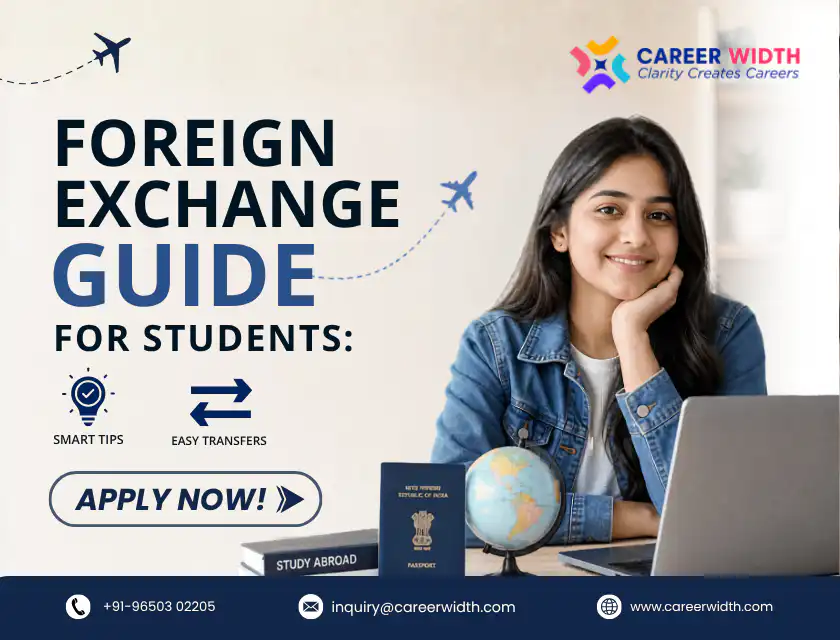
Foreign exchange is basically converting from one currency into another, and it plays a pivotal role in managing study abroad finance. From tuition fees to daily living expenses, it goes without saying that every dollar spent there would be under the constant threat of a currency exchange. Exchange rates teach students to prevent themselves from dwelling too much on loss. It also ensures improved overseas transfers and financial planning. Student forex is essential to study overseas money management.
Planning to study abroad is not just about choosing the best university and obtaining visas; it also requires an understanding of foreign exchange. This includes everything from tuition payments to daily expenses, all of which students must navigate currency exchange, international transfers, and ever-changing exchange rates. Financial literacy is important, and a lack of it can result in undue losses.
This ultimate blog on student forex covers everything you must know, from forex cards to banking and methods of making smart decisions in exchanging currency for overseas payments. For those taking their initial steps or preparing for take-off, this detailed overview of study abroad finance will help you to build a solid foundation.
Table of Contents
ToggleForeign Exchange and Its Importance for Students
Foreign exchange means exchanging one currency of a country for another. For students looking ahead to studying abroad, there is no rejection of the role of foreign exchange in their financial journey. Tuition, accommodation rent, or even daily bills are all paid in a foreign currency. If you understand how this system works, you can save significantly over time.
What is Foreign Exchange in Study Abroad Context?
The foreign-exchange context in terms of students is:
- Converting INR to USD, GBP, AUD, or any other currency.
- Making international transfers to universities
- Managing funds in foreign accounts
- Monitoring the spending by tracking the exchange rates
One of the characteristics of how the foreign exchange market works is that it is dynamic, and these rates change every day because they are influenced by global economic factors such as inflation, interest rates, or geopolitical events. Students who track these market fluctuations know when best to transact.
Foreign exchange directly impacts:
- Total tuition cost
- Living expenses abroad
- Budget planning accuracy
For example, a tiny change in rates can raise your entire cost loads when transmitting big sums, like for example. So, even a basic knowledge of the forex opens doors for you to make informed decisions and rule out all financial stress.
Student Forex Options
There are several forms of financial tools available when it comes to handling student forex. The best one for you will depend on your needs, how much you are spending, and which country you are going to.
Forex Card vs Cash vs Bank Transfers
Feature | Forex Card | Cash | Bank Transfer |
Safety | High | Low | High |
Exchange Rate | Locked-in | Variable | Variable |
Convenience | Very high | Limited | Moderate |
Usage | Widely accepted | Limited | Only for transfers |
Reload Option | Yes | No | Not applicable |
A forex card is considered one of the best options for students. You can charge different types of money with it and benefit from the most profitable exchange rates at the time of purchasing.
Advantages of Forex Cards
- Ensure of fixed exchange rates when loading money
- Accepted globally through ATMs and Point of Sale machines
- Less expensive compared to credit or debit cards
- Ability to monitor transactions online and load money
When to Use Cash or Transfers
- Carry less cash for smaller needs
- Make payments for tuition through money transfers
- Have a combination of tools available
Choosing the right mix of financial instruments guarantees a seamless process of managing your finances during your studies on adaptability.
Exchange Rates and Their Impact on Student Finances
The exchange rate plays a key role in establishing how much money you will spend for a certain currency. Small fluctuations may create a huge effect on your finances.
How Exchange Rates Work
Factors affecting exchange rates are:
- Stability of the economies of nations
- Inflation rates
- Interest rates
- World market demand
For instance, when the Indian rupee devalues against the USD, you will need a higher amount of the rupee to buy an equivalent dollar value.
Types of Exchange Rates
- Spot rate: Current market rate
- Forward rate: Predetermined rate for future dealings
- Interbank rate: The rate that banks lend to each other
Smart Tips to Manage Exchange Rates
- Do some groundwork before finalising your transactions
- Utilise forex cards to fix rates
- Don’t make a currency exchange at the last minute
- Make small money transfers
Understanding how the movements of exchange rates work means that you can use your money better without suffering any loss.
Money Transfer Methods for International Students
Money transfers overseas are an essential part of the financial side of studying abroad. There are different options for international transfers, each with its own strengths and weaknesses.
Common Money Transfer Options
- Bank Transfers (SWIFT)
- Online Transfer Platforms
- Forex Providers
- Student Banking Services
Comparison of Transfer Methods
Method | Speed | Cost | Best For |
Bank Transfer | 2–5 days | High | Tuition fees |
Online Platforms | 1–2 days | Moderate | Living expenses |
Forex Providers | 1–3 days | Low | Regular transfers |
Key Factors to Consider
- Transfer fees
- Exchange rate margin
- Processing time
- Security
Students should always compare multiple providers before starting a transfer. The minute prime between them can save you a handful over time.
Forex Card
The forex card is one of the best ways to manage overseas payments. Similar to a foreign currency prepaid card.
Features of Forex Cards
- Multi-currency support
- Secure chip and PIN protection
- ATM withdrawal facility
- Online transaction capability
Benefits for Students
- No longer carrying a bulk of money.
- Aid in budgeting as it imposes limits on spending
- Runs with better currency value than credit cards
How to Use a Forex Card Effectively
- Load currency when rates are favourable
- Keep track of transactions via mobile apps
- Avoid unnecessary ATM withdrawals to reduce fees
Universities, shops, and online platforms widely accept forex cards too, hence they are a convenient choice for overseas students.
Student Banking and Financial Planning Abroad
Establishing appropriate student banking is crucial for handling financial matters effectively when staying abroad.
Opening a Student Bank Account
Almost all colleges ask their students to set up a local bank account. Some advantages are:
- Quick payment of salaries for part-time employment
- Free banking within the region
- Various financial services
Budgeting for Study Abroad
- University tuition
- Accommodations
- Food and transport
- Miscellaneous expenditures
Sample Monthly Budget Table
Expense Category | Estimated Cost (USD) |
Rent | 500–1000 |
Food | 200–400 |
Transport | 50–150 |
Miscellaneous | 100–300 |
Financial Planning Tips
- Track expenses regularly
- Avoid unnecessary spending
- Use budgeting apps
This idea leads us toward stress-free academics through effective study abroad finance planning.
Overseas Payments: Tuition and Living Expenses
One of the top financial tasks that international students are presented with is making overseas payments.
Tuition Fee Payments
Universities usually accept:
- Bank transfers
- Online payment gateways
- Forex services
Tips for Tuition Payments
- Pay early to avoid delays
- Check for hidden charges
- Use trusted transfer platforms
Managing Living Expenses
- Avoid spending all your money on the forex card
- Maintain emergency funds
- Monitor exchange rate changes
If you plan properly, your payments will not only come in on time but at a lower cost.
Role of Career Width in Student Forex Guidance
Foreign exchange can be a minefield, particularly for first-time travellers. It is at such junctures that expert assistance can prove instrumental.
How Career Width Supports Students
- Personalised forex consultation
- How to choose the best forex tools
- Assistance with international transfers
- Financial planning for study abroad
Why Professional Guidance Matters
Students ignore surcharges and poor exchange rates. With expert help, they can:
- Save money
- Avoid financial risks
- Make informed decisions
Career Width ensures that students are financially prepared before stepping into a new country.
Real Student Story
A student, who is all set to go for studies in Canada, approached a counsellor seeking assistance in a student forex plan. This was particularly the case for higher costs in the past, where the student used a bank transfer instead of a comparison exchange rate at first. The forex card was the choice of the counsellor, who advised splitting transfers on rate trends. After some months, the student had saved thousands on tuition and living costs.
As a counsellor, the biggest mistake students make when studying abroad is omitting exchange rate changes. The right planning with the right tools, and you can make a really big difference! This true example demonstrates that expert guidance, especially in study abroad finance management, is so important.
Conclusion
Foreign exchange management is an important topic for those who wish to study overseas. Everything you do related to this subject, including knowing exchange rates and making use of forex cards, will affect your finances. With the right planning and professional advice from platforms such as Career Width, students will be able to manage their finances easily and concentrate on their studies. Effective money management will save you money and will ensure that your international education experience is both successful and stress-free.
FAQs | Foreign Exchange Guide for Students
What is the best option for managing student forex: forex card, cash, or bank transfer?
Both options come with their respective advantages, but in most cases, a forex card is known to be the quickest mode of keeping track of student forex. This will enable you to set exchange rates in your favour and to spend it on regular overseas payments. While cash helps in meeting your expenses, it is also a risk. Tuition payment is best made by bank-based money transfer options. Using those tools together gives you a bit more flexibility and hopefully better control over your study abroad finances.
How can students save money on international transfers?
Students can save money on international transfer by comparing providers and exchanging rates frequently. Going for trustworthy money transfer services with the least fees can help save a lot of bucks. Forex services will give rates better than those offered by traditional banks. You also avoid last-minute high conversion charges by planning the transfers beforehand. You save a lot of money on foreign exchange if you play it smart!
How does a forex card help in managing overseas payments?
A Forex card is a prepaid card that is loaded with foreign currencies, making it useful for overseas payments. The forex card shields the student from variable foreign exchange rates, which means that the exchange rate will be locked at the time of the load. The forex card is widely accepted internationally and eliminates reliance on cash. Furthermore, it facilitates planning since expenditure is restricted to the total value of the load.
How can Career Width help with student forex and study abroad finance?
Career Width provides expert student forex management advice to students and helps them in the selection of the right financial tools. They help in transferring money, understanding exchange rates and planning international transfers correctly. They help to ensure that students do not fall prey to hidden fees and can make financial decisions wisely. If you guide them correctly, then study abroad finance can be easily handled by the students, and they do not have to worry about other things rather focus on their studies.
Check Out – Best Study Abroad Consultants in Delhi
Want To Stay Updated With Latest Study Abroad News & Updates?
Successfully counseled and placed 5,000+ students globally, with 11+ years experience in education industry; expertise in admissions, visas, CRM, partnerships.